Robotnix Academy
Technical courses built for careful work.
Learn how systems work, test what they claim, and build evidence you can inspect.

Courses
16 available- Computing7
- AI1
- Data1
- Robotics4
- Security1
- Esports2
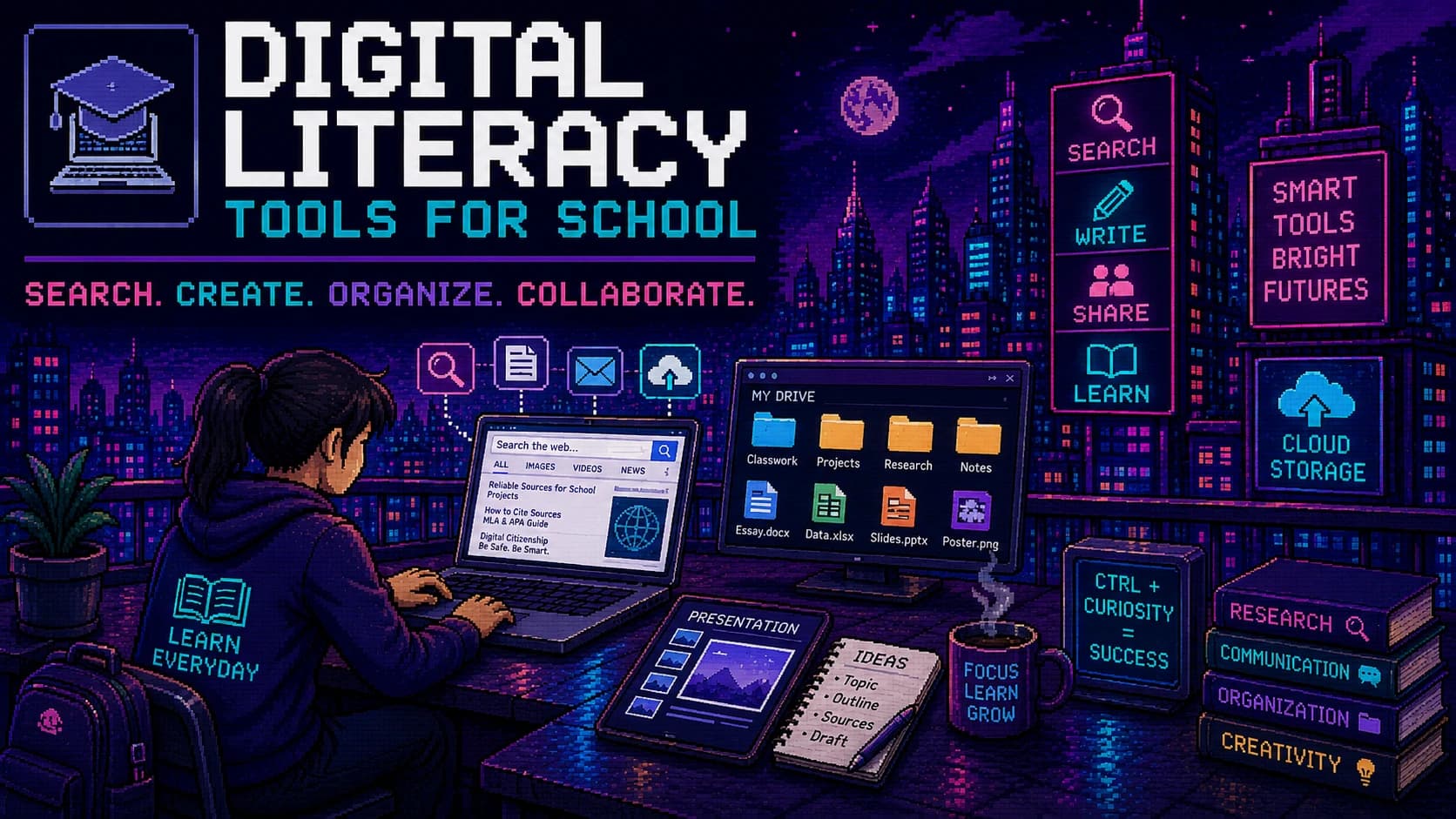
- Digital Literacy: Tools for School, Work, and LifeAn eight-week digital literacy course that uses DigitalLearn.org Google Tools materials as an attributed source foundation while students learn to choose tools, organize information, communicate, analyze data, manage access, verify sources, protect privacy, and defend a connected digital workflow.
- Data Science for BeginnersA self-paced Robotnix edition of Microsoft's complete 20-lesson Data Science for Beginners curriculum. Each Unit preserves two source-faithful Microsoft lessons and adds a Robotnix-original evidence check that asks students to defend a question, model, chart, analysis, or deployment decision. Units 4-8 include a bounded browser data workbench with fictional data, interactive charting, and editable Pandas analysis. Five standalone Robotnix Data Labs add telemetry, sampling and bias, regression, data drift, and a Data-to-AI bridge. The core path does not require a paid cloud account. Browser runtime and Chromebook-width behavior remain release gates until owner validation.
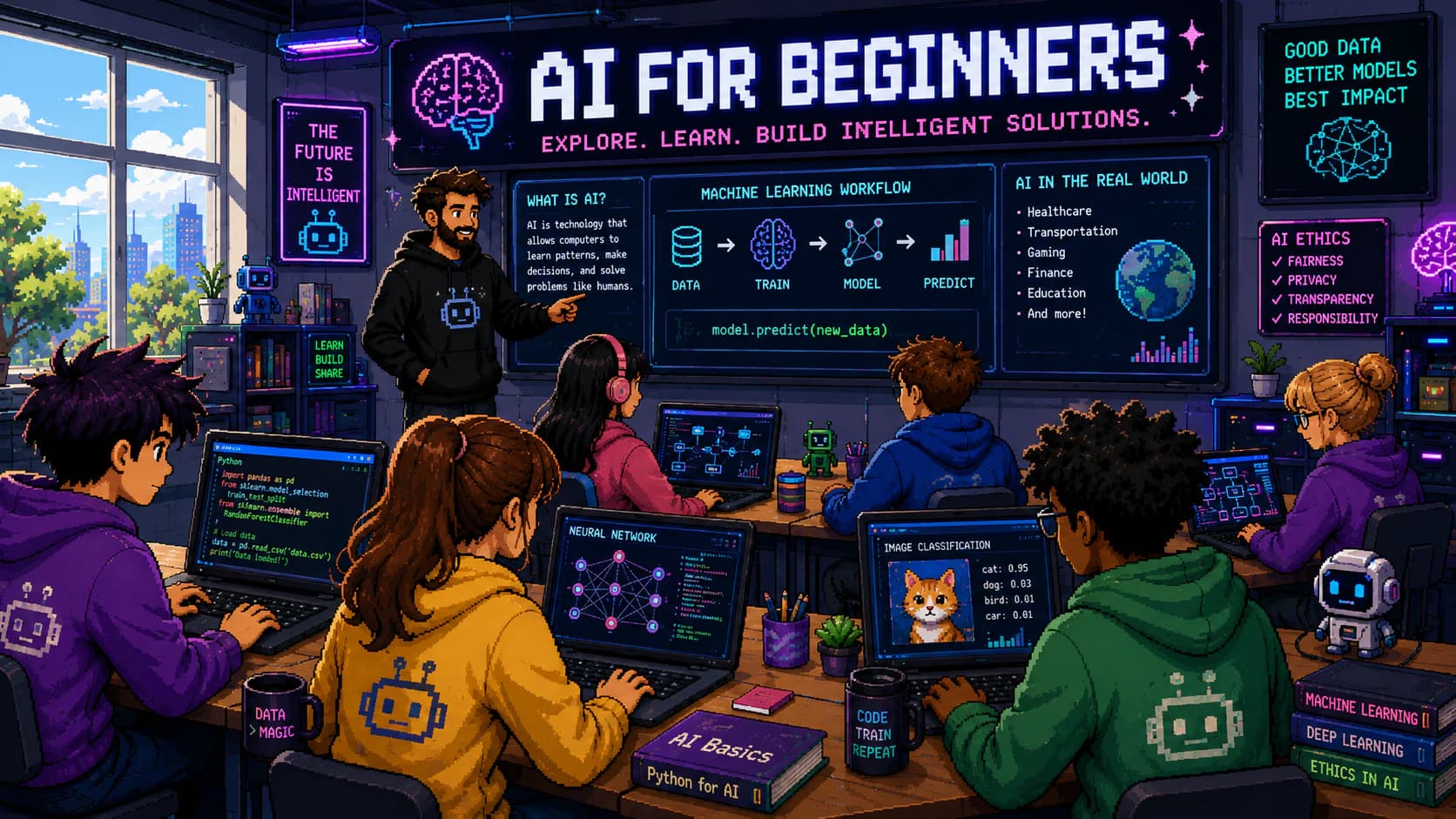
- AI for BeginnersAn 18-week introduction to artificial intelligence that moves from symbolic reasoning, neural networks, computer vision, language, and responsible AI into machine learning, evaluation, clustering, production systems, edge deployment, and an evidence-based capstone. Weeks 1-12 preserve Microsoft's AI for Beginners source material and attribution; Weeks 13-18 continue the learner experience with Robotnix-original applied chapters and interactive laboratories.
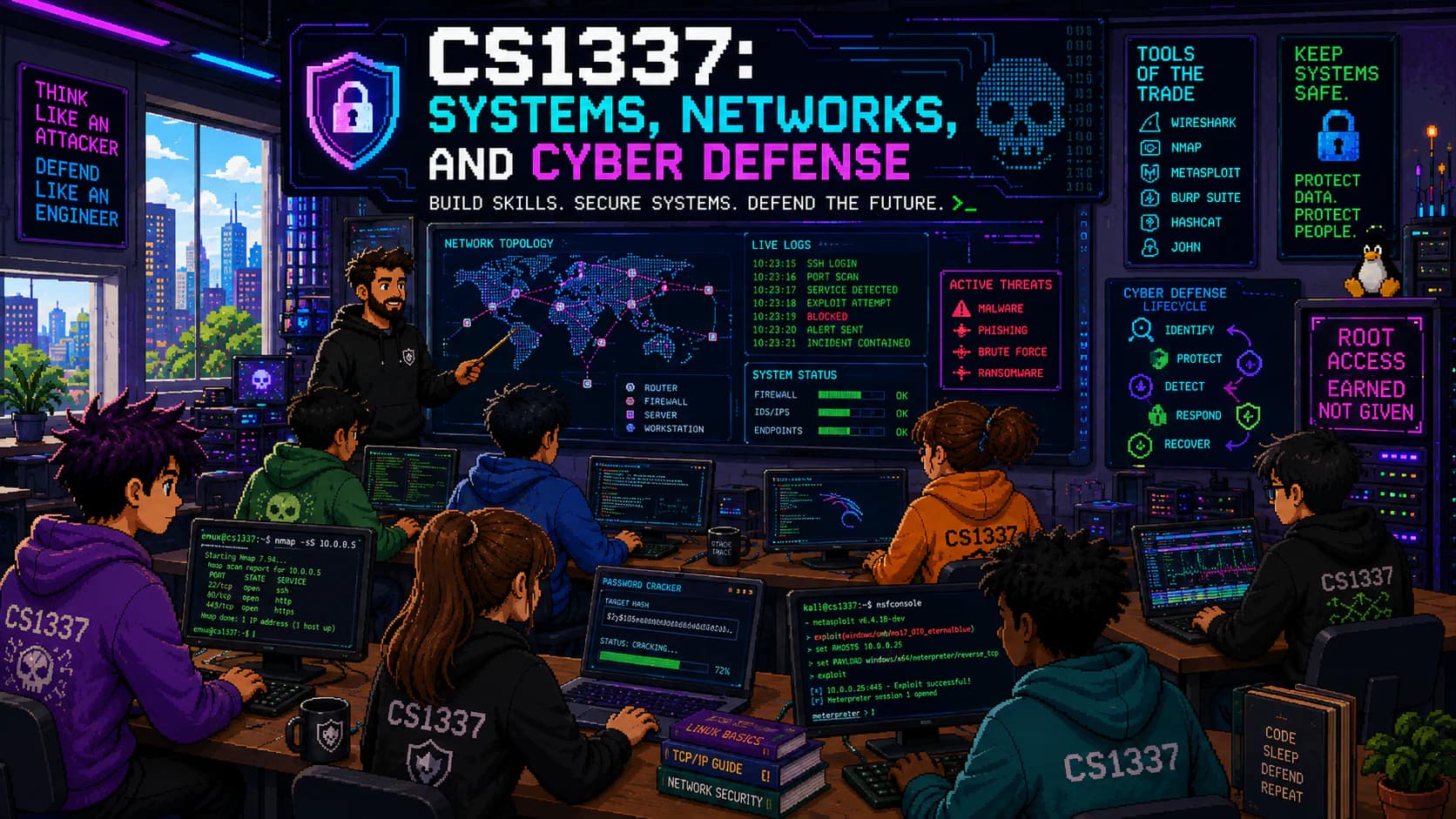
- CS1337: Systems, Networks, and Cyber DefenseA systems-first defensive computing course where students learn how programs, data contracts, services, networks, identities, controls, telemetry, risk, and recovery fit together. Students build baselines, analyze supplied or isolated evidence, safely change bounded conditions, verify controls, retest required function, and defend claims without unauthorized or operational hacking workflows.
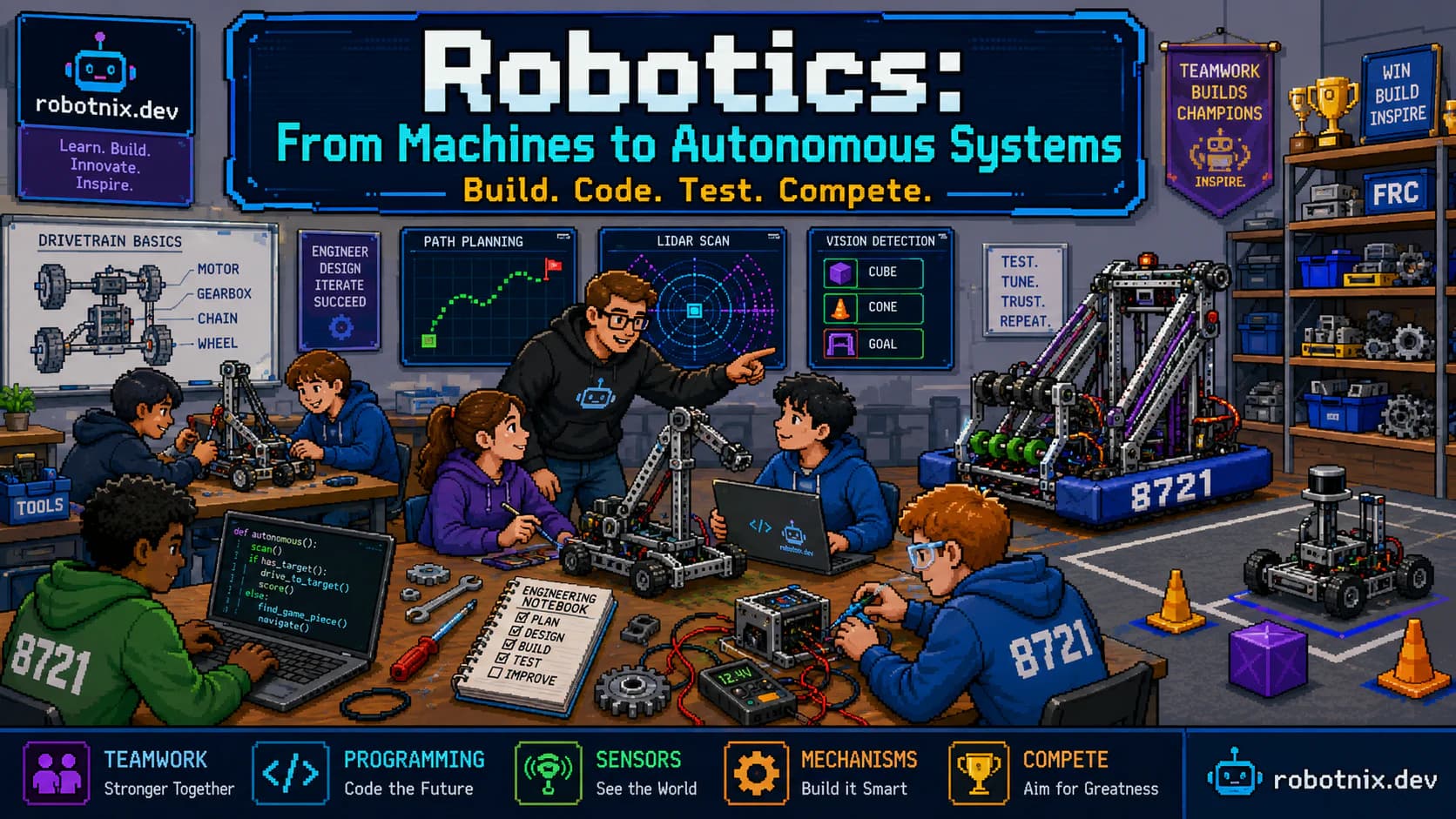
- Robotics: From Machines to Autonomous SystemsA self-paced general robotics course that builds from physical mechanisms and electrical power through embedded control, sensing, feedback, mobile motion, localization, manipulation, autonomous behavior, perception, distributed robot systems, human control, reliability, and a final autonomous-systems architecture defense. FRC is treated as a separate applied competition ecosystem; ROS 2 is treated as a later distributed-robotics specialization.
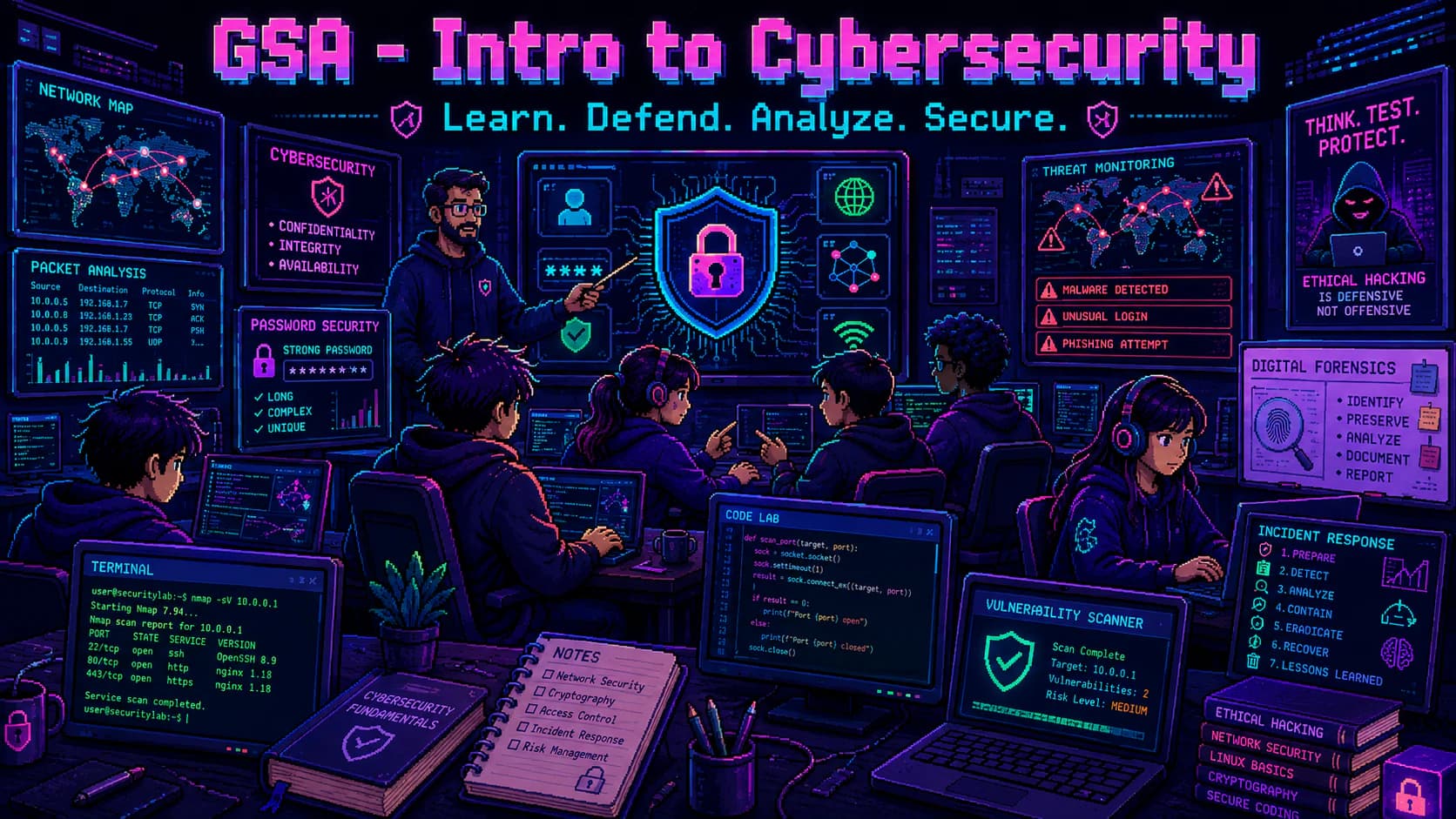
- GSC - Intro to CybersecurityAn 18-week Robotnix delivery of Garden State Cyber - Introduction to Cybersecurity I. The course follows the Middle Township curriculum through ethics, the CIA Triad, authentication, malware, Linux command line, social engineering, phishing and OSINT, system hardening, threat modeling and IoT, binary and encoding, classical cryptography, steganography, privacy versus security, computer components, networking fundamentals, protocols, packets, and Wireshark analysis. Labs remain bounded to teacher-provided, authorized, or synthetic environments.
- Esports AcademyA visible working draft of an 18-week scholastic esports specialization that moves beyond the introductory survey into competitive systems, communication, strategy, analysis, production, event operations, and running a school esports organization. No game title, live competition, account, or external video is required for course completion. Specialization, supplied-evidence, and classroom validation remain under review.
- Introduction to EsportsA district-sequenced introduction to esports covering gaming, teamwork, health, communication, careers, education, computers, and basic networking.
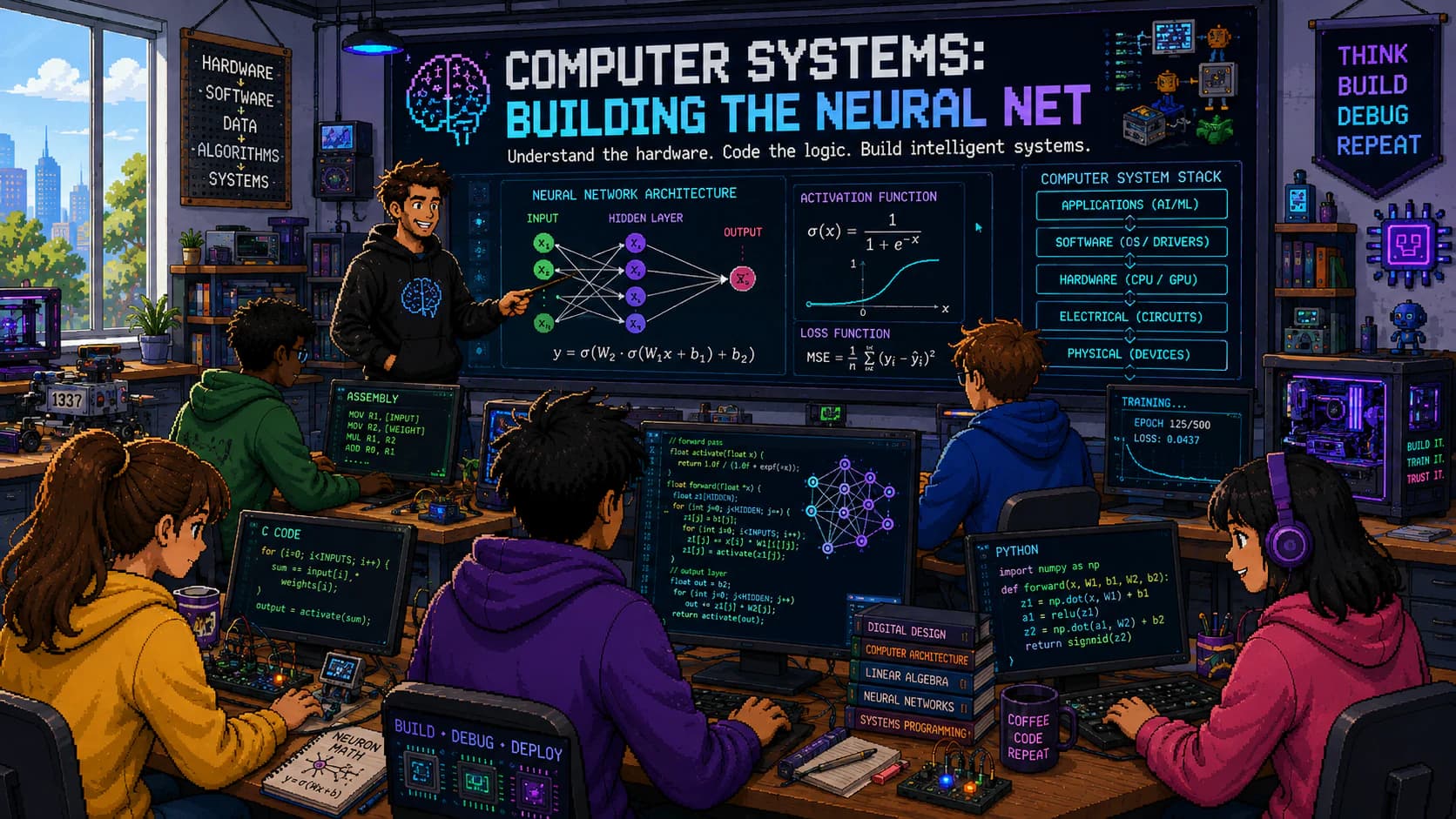
- Computer Systems: CompTIA A+ AlignedA hands-on Computer Systems course covering PC hardware, mobile devices, printers, networking, virtualization, operating systems, security, troubleshooting, and professional IT support. The course is aligned to the current CompTIA A+ Core 1 (220-1201) and Core 2 (220-1202) knowledge and skill objectives while remaining a high-school instructional course rather than an official CompTIA training product.
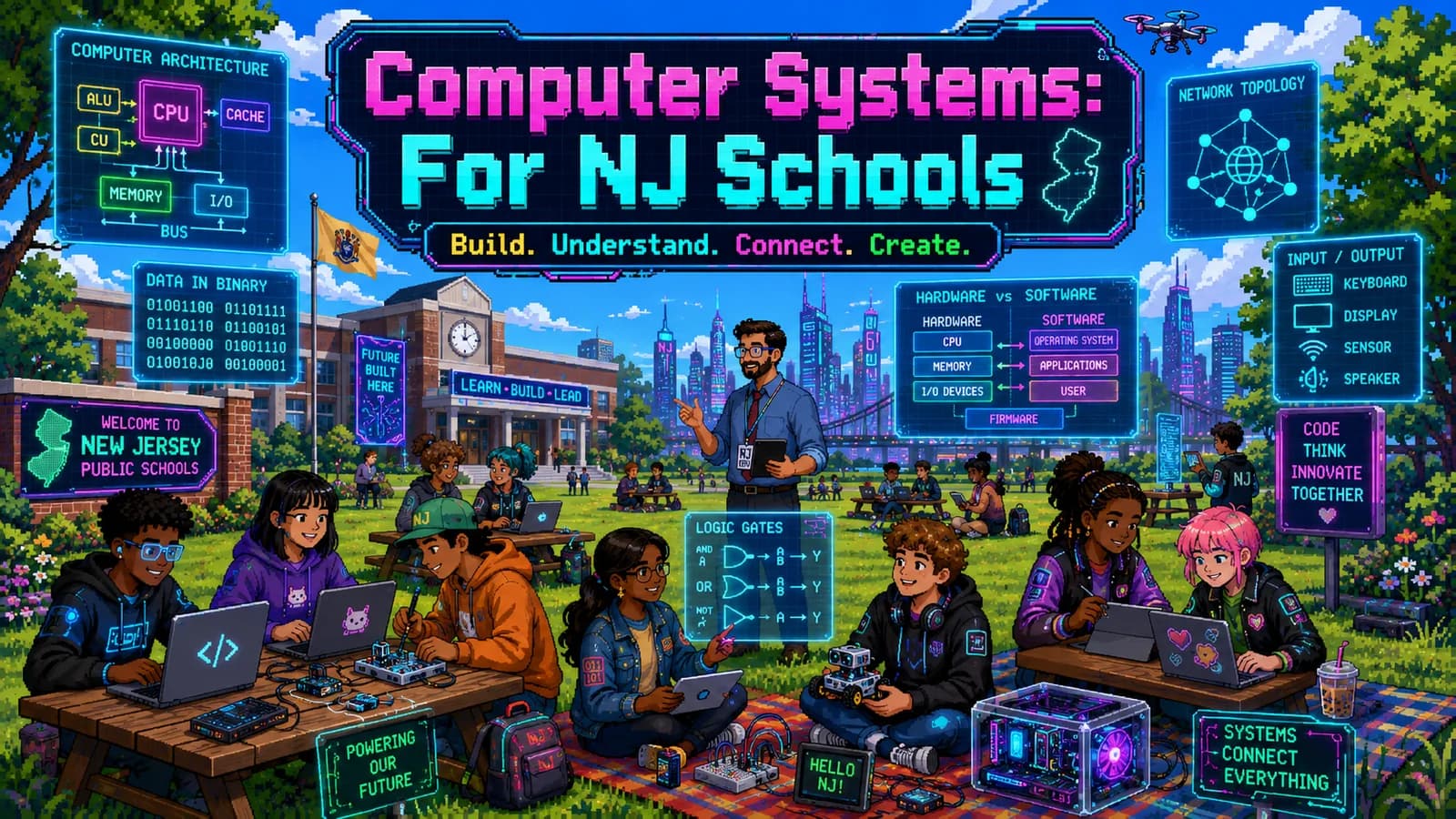
- Computer Systems: For NJ SchoolsAn 18-week New Jersey high-school technology course that modernizes a 2015 district Computer Systems guide without preserving obsolete software as the curriculum. Students create and evaluate digital media, websites, presentations, spreadsheets, databases, research, systems models, networks, defensive-security decisions, and introductory programs, then assemble the evidence into an accessible digital portfolio. draft
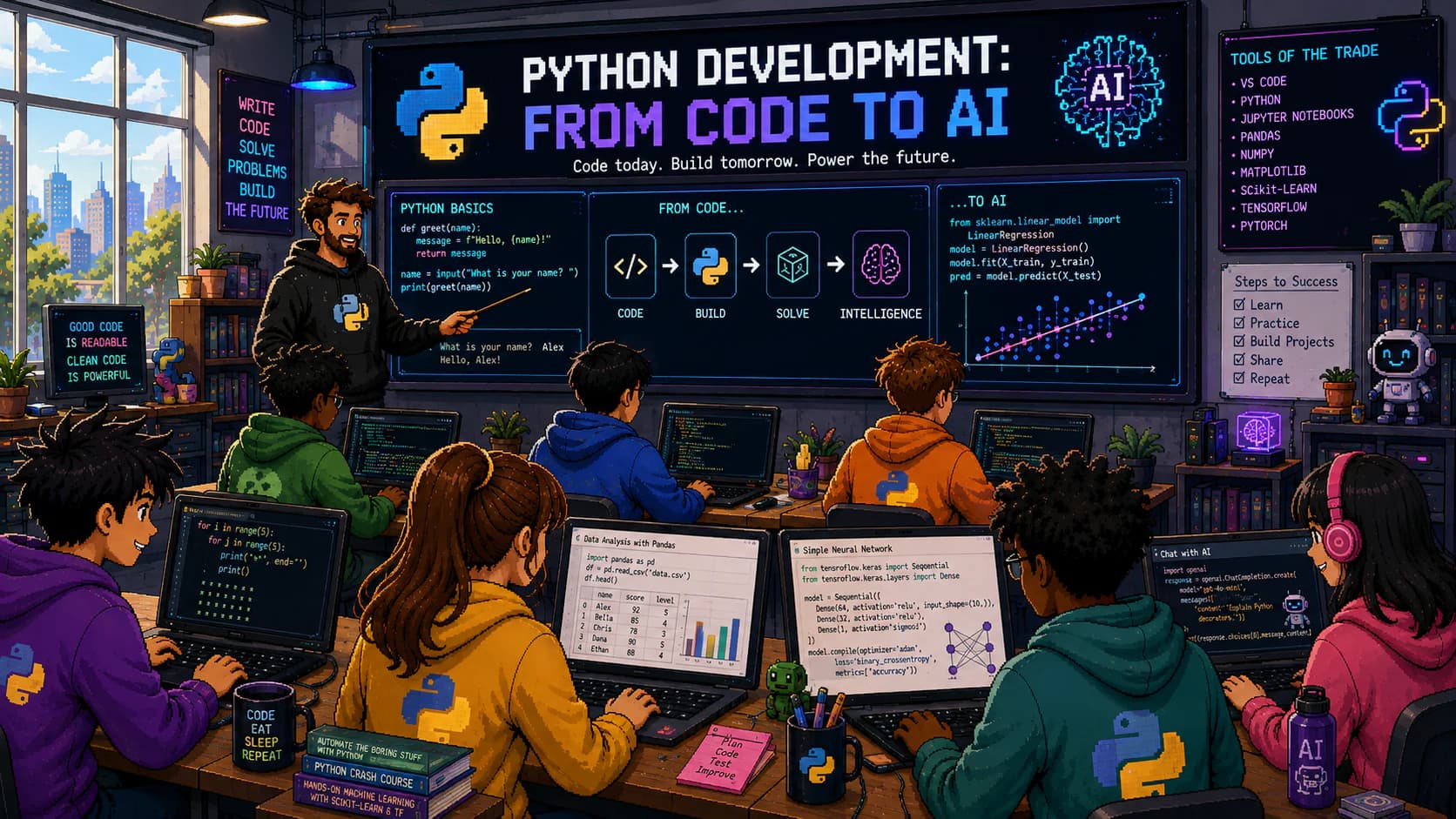
- Python Development: From Code to AIA self-paced Python development course that starts with source code, execution, variables, decisions, loops, and functions, then grows into debugging, data structures, files, Git, modules, packages, program architecture, APIs, automated testing, AI-assisted development, coding-agent control, and a final code defense. Small examples can run inside the Robotnix reader; multi-file projects, Git, virtual environments, packages, network work, pytest, and the capstone use a real Python workspace. Learners progress by evidence, not by a calendar, and no AI tool is required to complete the course.
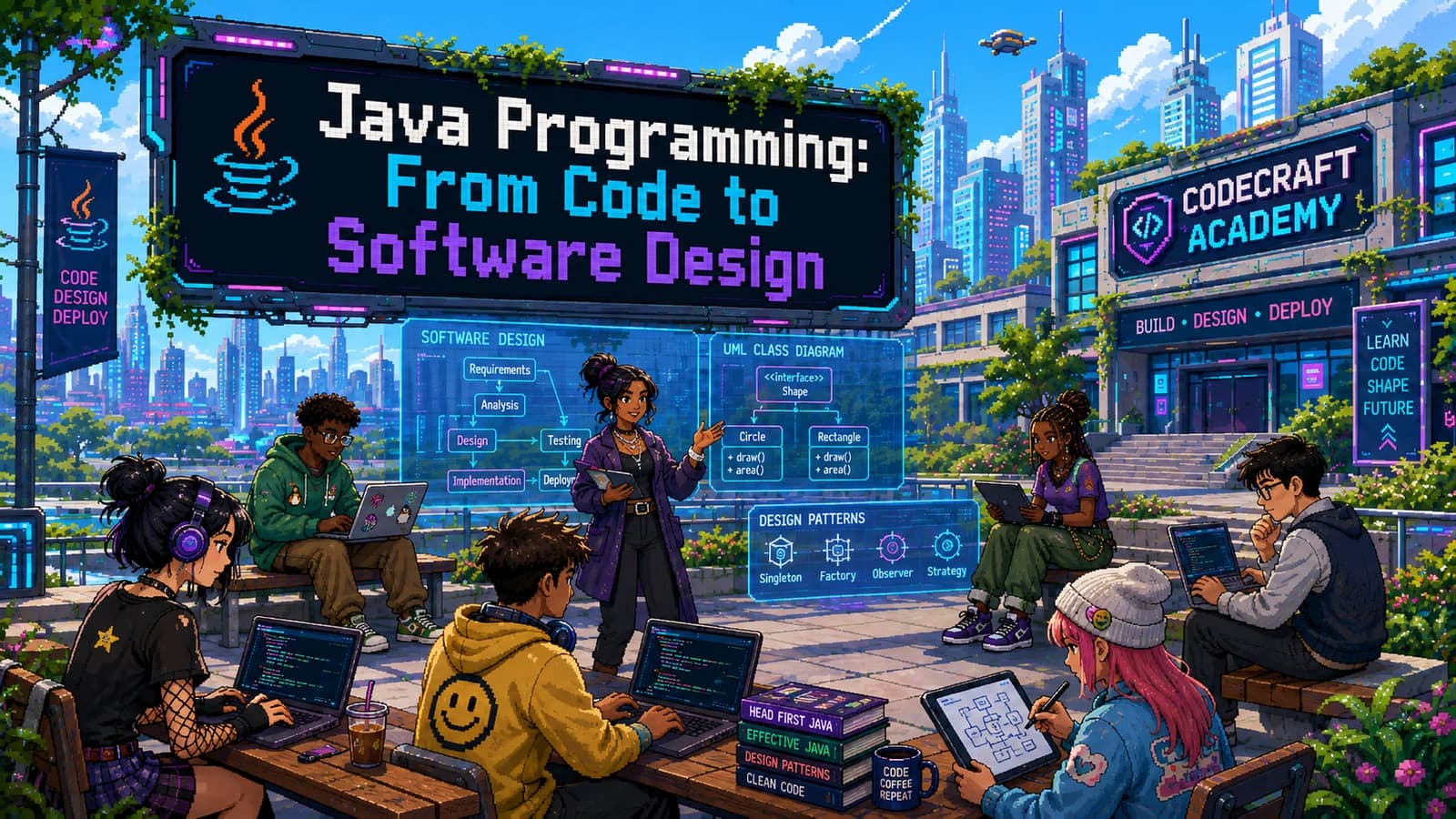
- Java Programming: From Code to Software DesignA self-paced Java 25 course that begins with small runnable programs and grows into disciplined software design. Learners trace how source code becomes JVM execution, reason about types and control flow, design methods and data structures, model systems with objects and interfaces, handle failure, test behavior, refactor safely, and defend a complete software capstone. The browser-first core uses the official Java Playground; an optional JDK lane adds multi-file projects, file I/O, and JUnit 6 without making a local development machine a prerequisite for conceptual mastery.
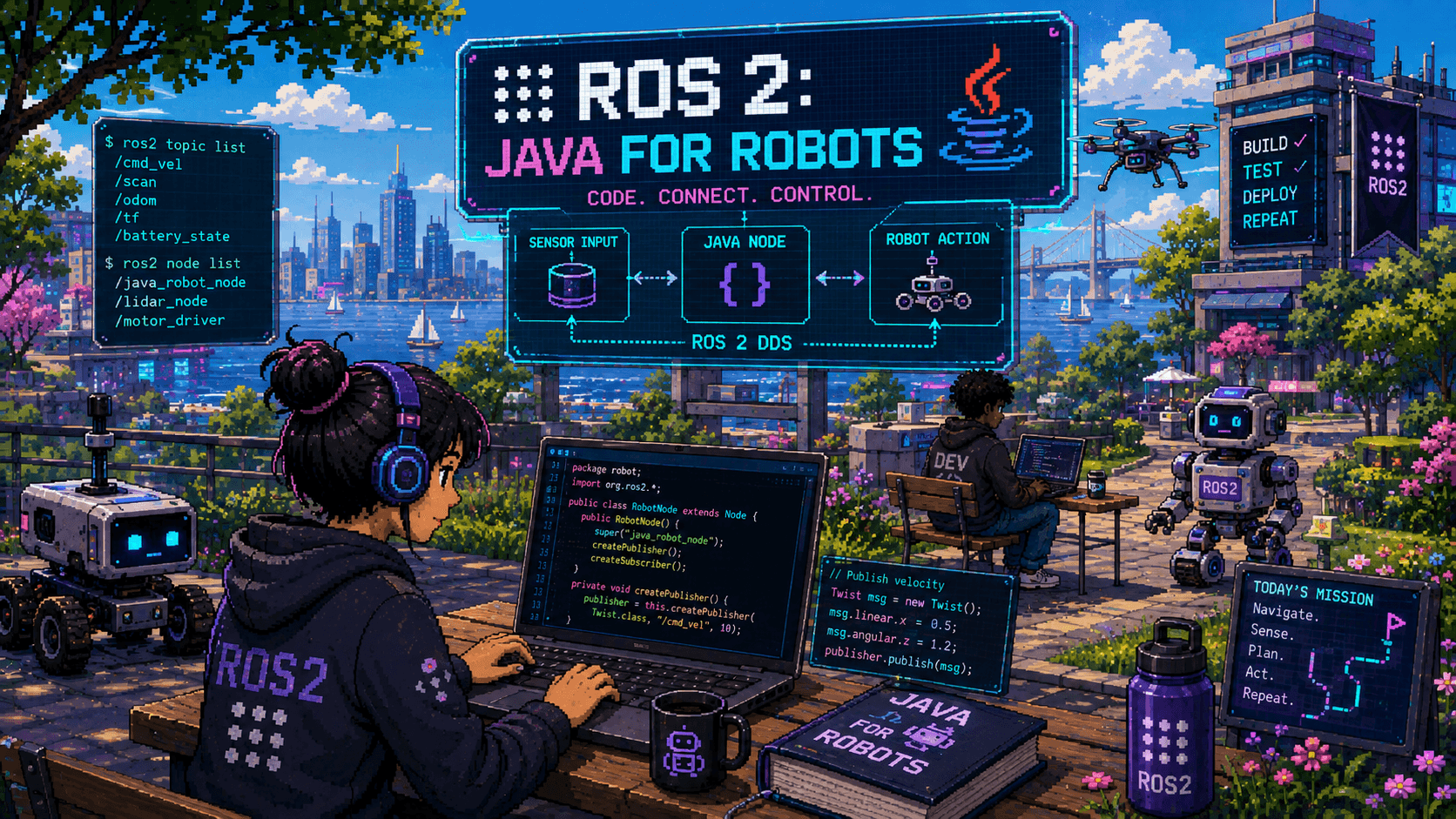
- ROS 2: Java for RobotsA visible working draft of the Java-to-ROS 2 bridge. Learners are expected to arrive with Java programming and beginner ROS 2 knowledge already established. The bridge focuses on robot-application architecture, WPILib/Java framework evidence, ROS 2 runtime inspection, simulation and integration boundaries, cross-layer failure diagnosis, reliability, readiness, and technical defense. Java/JVM evidence, WPILib/framework evidence, ROS 2 runtime evidence, and physical robot evidence remain separate unless an integration path is explicitly implemented and demonstrated.
- Jekyll: For StudentsBuild one portfolio from a blank folder to a tested, published Jekyll site while learning how the generator actually works. Students trace source files through Jekyll's rendering/build process, use Markdown, YAML front matter, Liquid, layouts, includes, data files, pages, posts, collections, assets, configuration, themes, plugins, Git, and deployment. They repeatedly debug controlled failures, verify generated output, make accessibility/privacy decisions, and finish by defending the site's architecture from source repository to production browser. The course is self-paced and organized as nine learner-facing Units.
- ROS 2: For StudentsA self-paced beginner ROS 2 course for students working on Ubuntu 24.04 with ROS 2 Jazzy. Across 78 lessons, learners install and source ROS 2, run Turtlesim, inspect nodes and the ROS graph, work with topics, services, parameters and actions, create a workspace and Python package, build with colcon, write a small publisher/subscriber system, use launch files, and diagnose common setup and runtime failures. The course intentionally stops before advanced navigation, SLAM, MoveIt, control theory, DDS tuning, or robot-specific stacks.
- FRC Robotics: From Rookie to Competition-ReadyA self-paced, nine-unit FRC robotics course that takes a new student from robot anatomy and system architecture through mechanisms, electrical systems, WPILib, sensors, feedback control, autonomous operation, strategy, troubleshooting, inspection, and a competition-readiness capstone. Students can complete the course with supervised hardware, simulation, or documented system-analysis evidence.